

Some streams start faster
Direct MP3 or AAC streams can often begin quickly, while segmented streams may buffer differently depending on playlist size and player behavior.
Online radio feels simple when you press play, but several technologies work together behind that moment: source software, streaming servers, audio codecs, metadata, HTTP delivery, and player compatibility.
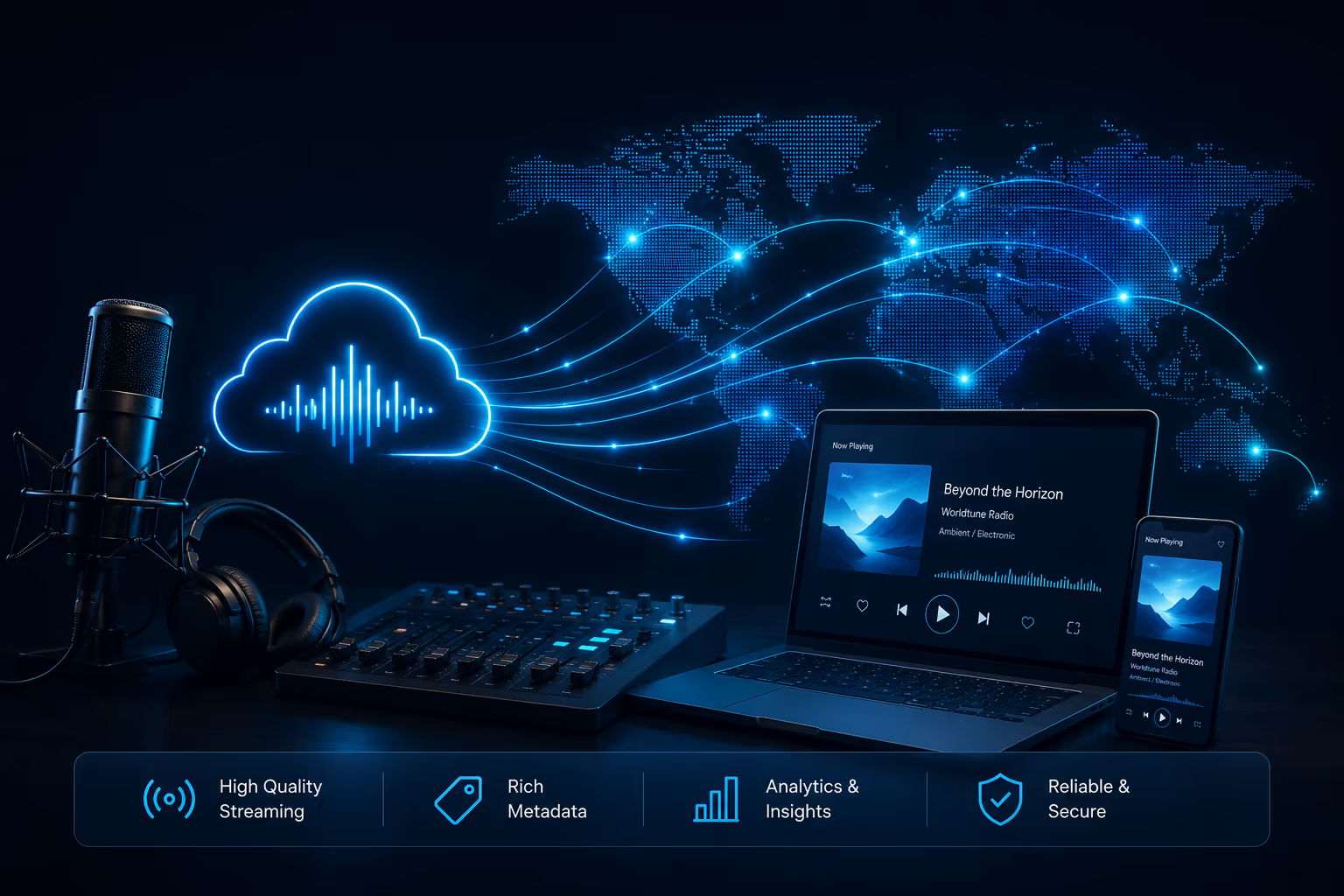
Most live radio streams follow the same path. A studio, automation system, or DJ app creates an audio source. An encoder compresses that source into a streamable format. A streaming server or HTTP delivery layer publishes the stream. A player then connects, buffers a small amount of audio, and starts playback.
The exact stack changes from station to station. Community stations may use Icecast with an open-source encoder, commercial networks may use managed streaming platforms, and mobile-first broadcasters may package audio through HLS or DASH so ordinary web infrastructure can distribute it reliably.
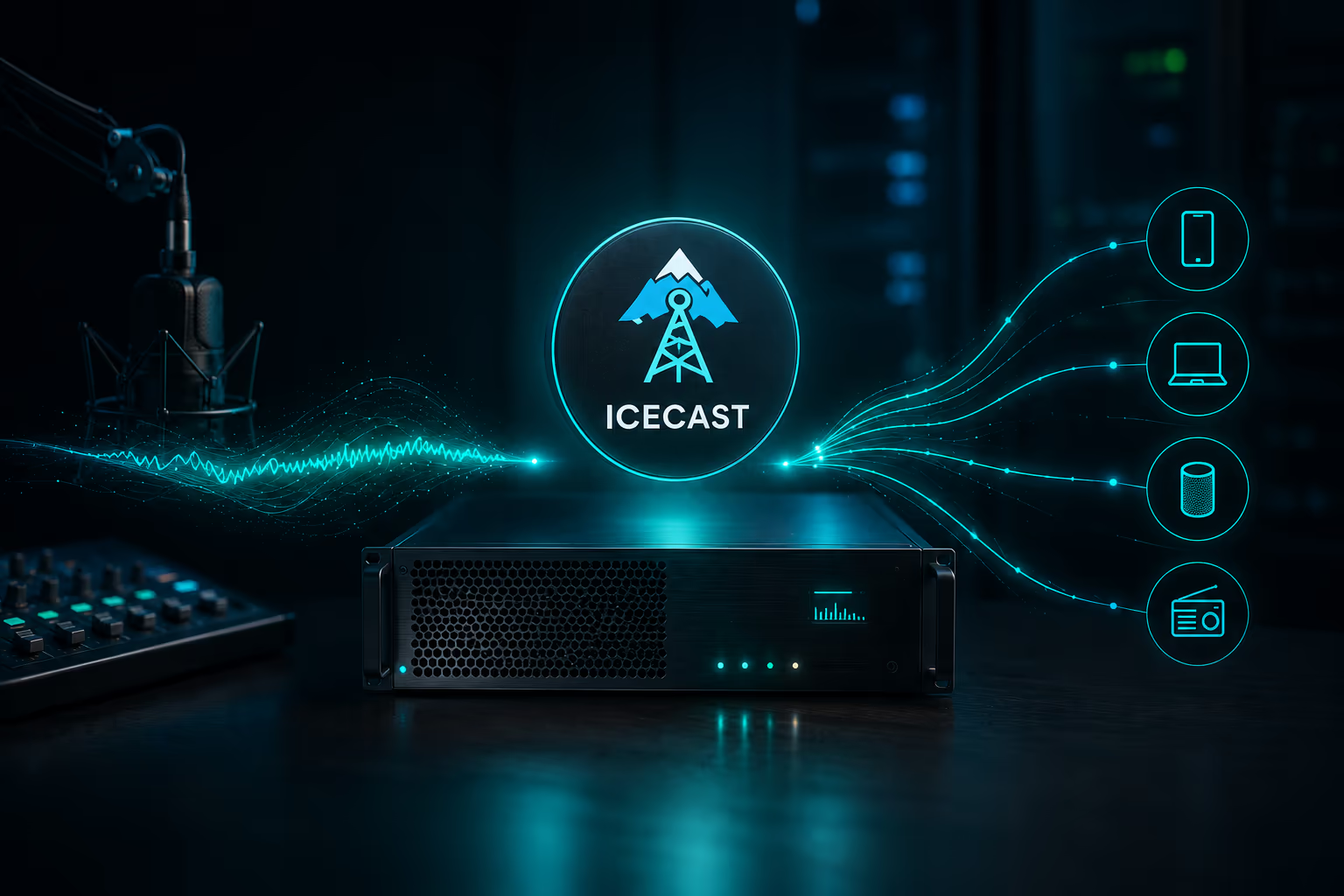
Icecast is one of the most important open technologies in internet radio. It acts as the server that receives encoded audio from a source client and relays that stream to listeners. Stations often expose different mountpoints for different formats, bitrates, or programs.
Icecast is common in public, community, independent, and self-hosted radio setups because it is flexible, widely supported by source clients, and built around normal internet delivery patterns. It can serve classic MP3-style streams as well as open media formats used by modern web players.

SHOUTcast helped shape how people discovered internet radio through public station directories and self-hosted broadcast servers. Its DNAS server receives a broadcast source, serves listeners, and can publish stream information such as now-playing data to a directory.
Many legacy and independent stations still use SHOUTcast-compatible streams, and many players continue to support those URLs. For listeners, the practical result is familiar: a direct stream link, metadata when the broadcaster sends it, and broad compatibility with radio apps and desktop players.
HTTP Live Streaming, usually called HLS, packages media into short segments and playlists that can be delivered through ordinary web servers and CDNs. That model is useful when broadcasters need reliable playback across phones, browsers, smart TVs, and variable network conditions.
MPEG-DASH follows a similar adaptive idea through an international standard. It is more common in video streaming, but the concept matters for radio too: instead of one continuous socket-like stream, audio can be delivered as small HTTP media segments that clients request as needed.
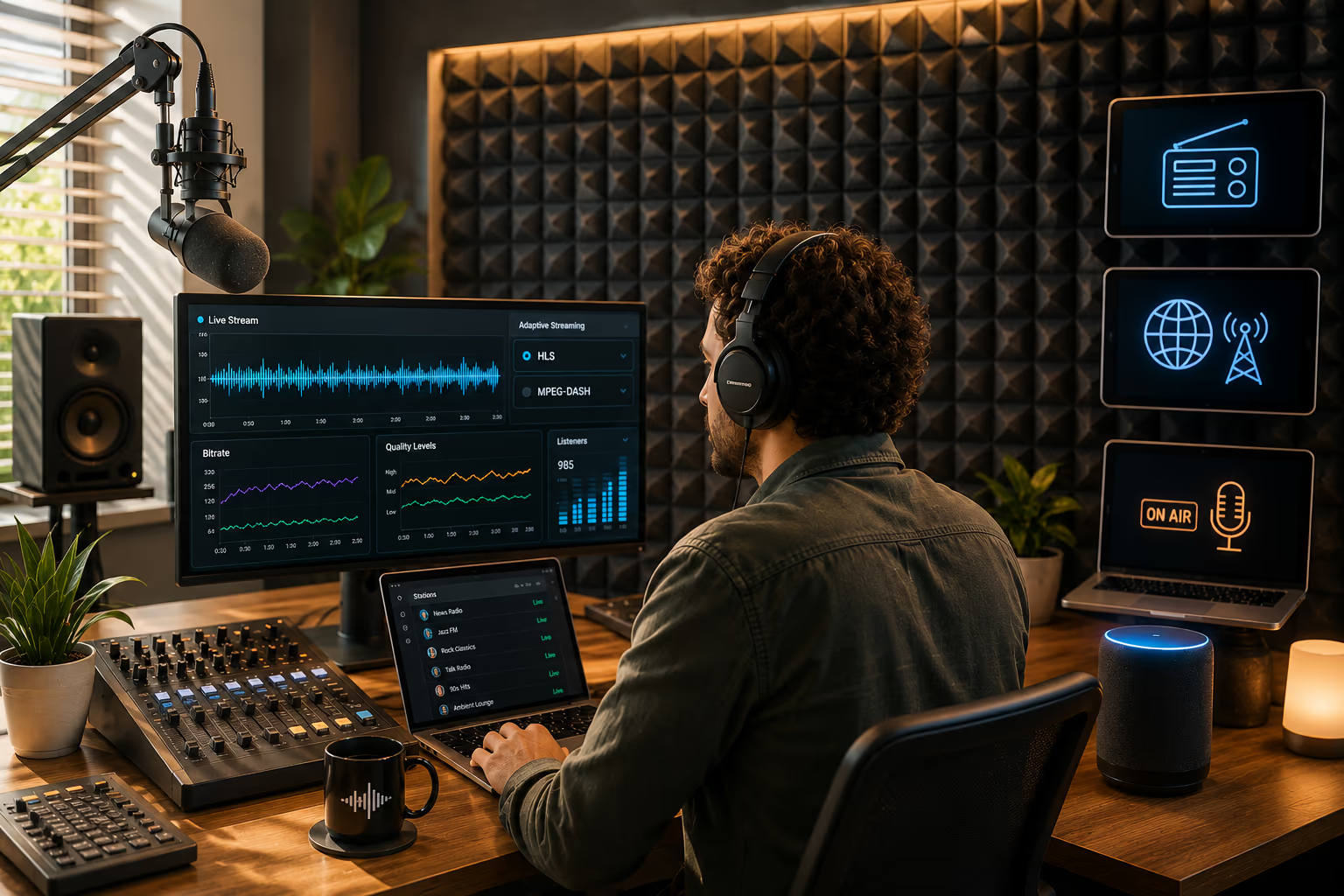
The streaming server is only one part of the system. Tools such as Liquidsoap can generate, schedule, mix, and route streams before they reach a server. Tools such as FFmpeg can encode, transcode, inspect, and package audio for different delivery targets.
Codecs decide how audio is compressed. MP3 and AAC remain common because compatibility is excellent. Opus is an open, royalty-free codec designed for efficient speech and music transmission over the internet, and the official Opus project continues to improve the format for modern use cases.
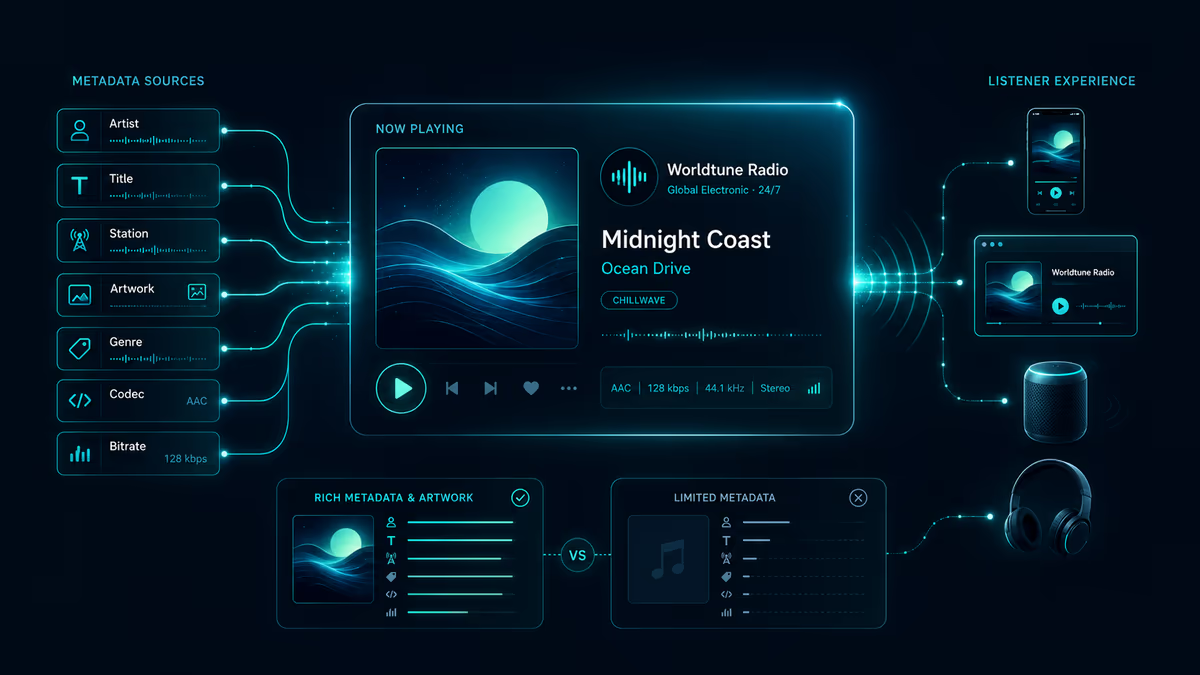
Audio is only part of a modern radio experience. Stations may publish metadata such as artist, title, show name, genre, station logo, artwork, and technical details. Some metadata is embedded in the stream, some comes from a server status endpoint, and some is enriched by catalogs or third-party services.
This is why one station may show a polished now-playing panel while another only shows a station name. The stream can still be valid and enjoyable even when metadata is limited. WorldTune organizes these publicly available third-party streams, but availability, rights, metadata, and regional access remain under each broadcaster's control.
Direct MP3 or AAC streams can often begin quickly, while segmented streams may buffer differently depending on playlist size and player behavior.
Now-playing details depend on what the broadcaster publishes and how consistently their server updates it.
Broadcasters choose formats based on players, apps, hosting cost, analytics, licensing needs, and operational skill.
To put the technology into practice, open the WorldTune web player, read the online radio listening guide, or explore the history of online radio.